

Dairy farming serves as a vital economic pillar for millions of rural families, where long-term profitability depends heavily on strategic breed selection and cattle genetics. Choosing animals with high milk production potential and strong environmental adaptability ensures optimal resource utilization. Understanding the distinct characteristics of various dairy breeds allows farmers to make informed decisions, optimize operational costs, and build a healthy herd that delivers consistent milk production throughout the year.
Evaluating Your Farm Setup
Before purchasing cattle, finding the best cows for dairy farming in India requires you to look closely at your local climate and green fodder supply. A breed that gives plenty of milk in the cooler northern states might struggle in hot and humid southern regions. Matching your animals to your exact farm conditions helps avoid sudden drops in milk and keeps your daily feeding costs well under control.
The Holstein Friesian Choice
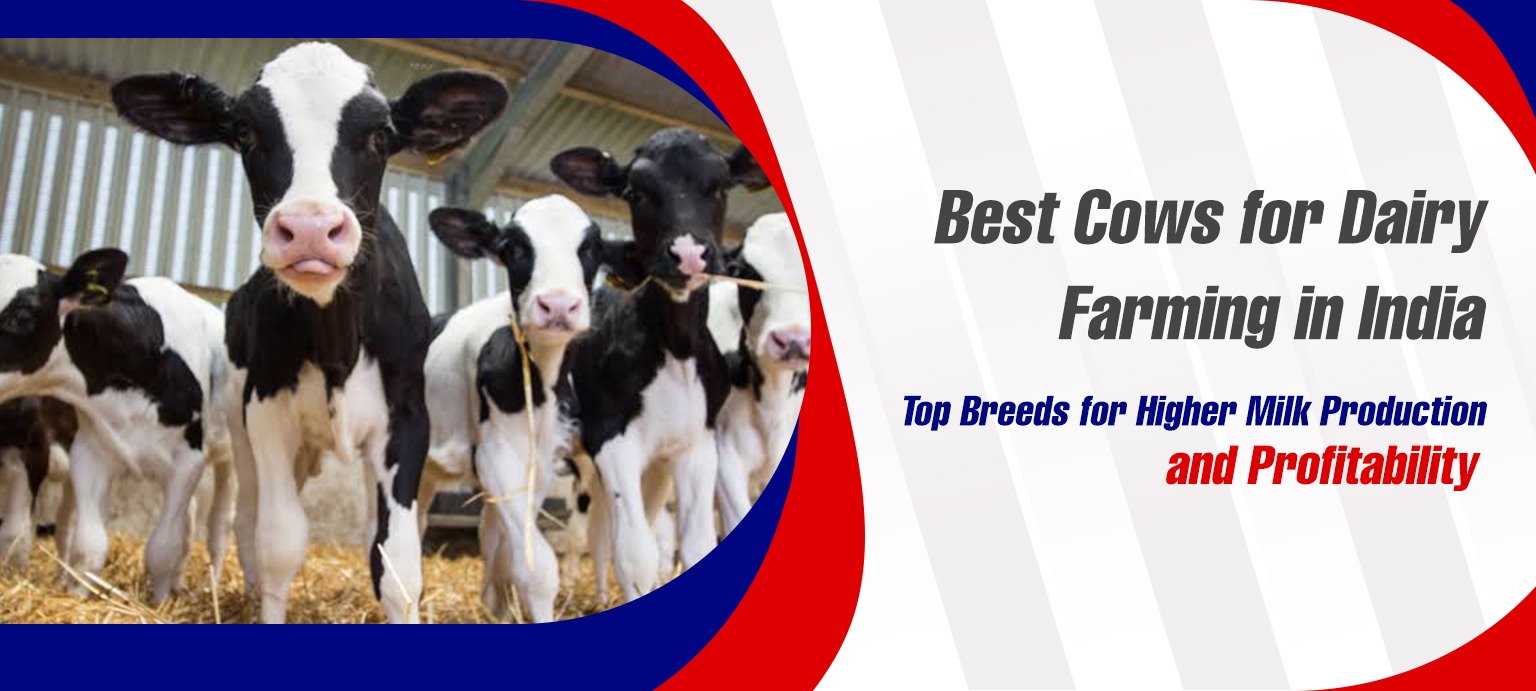
Walk into any large commercial farm, and you will likely see Holstein Friesian cattle. These black-and-white cows give the highest amount of raw milk in a single lactation. Farm owners who want pure volume usually pick them. You do need to remember that these big animals need proper cooling fans and high-quality feed mixtures to stay healthy during our tough Indian summers.
Jersey Cows for Better Fat
Jersey cattle are a smart choice if you want thick milk but have a tight budget for feed. These brown cows are smaller than Holsteins, so they simply eat less. Their milk has very good fat and protein levels. Because they handle warm weather quite well, they are strong choices when looking for the best cows for dairy farming in India for a medium-sized village dairy.
Sahiwal and Local Resilience
Sahiwal is one of our most valued local dairy breeds. These red cows do quite well even when fed basic dry fodder. They naturally handle local ticks and hot weather better than imported cattle. People in cities love their milk because it has A2 beta-casein protein. Sahiwals keep giving milk even when the summer heat reaches its peak, making them reliable for traditional farmers.
The Dependable Gir Breed
Gir cattle are famous for living long and staying healthy. You can easily spot them by their big humps and long ears, which actually help them stay cool. Village farmers like them because they rarely fall sick, which prevents unexpected losses. Their tough nature easily secures their spot among the best cows for dairy farming in India.
Crossbred Cows on the Farm
Mixing local cows with imported bulls gives you crossbred cattle. A good crossbred cow gives more milk like a Holstein but handles the heat a bit more like a Gir or Sahiwal. This middle-ground option helps farmers get more milk without spending a fortune on building fully air-conditioned sheds. It is a viable option for everyday rural farmers looking to grow their business.
Murrah Buffaloes and Thick Milk
Even though they are buffaloes, the Murrah breed is a massive part of our dairy market. These heavy black animals give milk that often crosses seven percent fat. Sweet shops and village cooperatives pay very good money for this thick milk. They digest dry farm waste very well, turning basic crop leftovers into valuable milk that helps improve overall farm earnings.
Weather and Animal Health
Your local weather should guide your buying decisions. Imported cows often suffer from heat stress. When they get too hot, they stop eating and give less milk. Local breeds have different skin types that help them sweat and cool down faster. Picking a breed that matches your district weather means your cows stay comfortable and productive without needing expensive cooling systems.
Feed and Fodder Budgets
Think about how much grass and feed you can actually grow or buy. Heavy milkers need a lot of expensive grain and fresh green grass to keep their yields up. Local animals can maintain their health on simpler, cheaper dry stalks. You really must match your cattle choice with what you can afford to feed them every single month.
Keeping Calving Cycles on Track
A dairy farm only makes money if the cows deliver healthy calves on time. High-yielding imported cows sometimes take longer to get pregnant again because making so much milk tires their bodies. Local and crossbred cows usually have better and faster breeding cycles. Identifying the best cows for dairy farming in India means finding a balance between daily milk output and regular, trouble-free calving.
Knowing Your Milk Market
You need to know what your buyers want before you build your herd. If your local dairy pays extra for fat, buying Jerseys or Murrah buffaloes is a practical business decision. On the other hand, if you sell directly to city families who ask for A2 milk, keeping a herd of pure Sahiwal or Gir cows will make selling your milk much easier.
Dealing with Farm Diseases
Veterinary expenses can quickly reduce farm profitability if your animals constantly fall sick. Many local breeds have adapted over time to handle regional diseases and tough farm conditions. Imported breeds generally require more intensive health management and preventive care to avoid hoof problems or udder infections. Thinking about natural hardiness helps you plan your yearly medical costs and keeps your farm running smoothly.
Sheds and Farm Infrastructure
The sheds you currently have will decide what cows you can keep. High-yielding exotic cows need soft rubber mats and perfectly clean floors so their hooves do not get hurt. Native cows are perfectly fine sleeping on basic mud floors under simple roofs. It is best not to buy sensitive animals until you have the right housing ready for them.
Using Better Genetics
Today, farmers look at data, not just the size of the cow. Progressive dairy owners check genetic records to see how much milk a calf might give when she grows up. By looking at these genetic details early on, you can pick out the true best cows for dairy farming in India while they are still young, saving you years of guesswork.
The Benefit of Artificial Insemination
Artificial insemination changes how we breed cattle today. Instead of keeping a bull, farmers can use sex-sorted semen from tested, high-quality sires. This method helps increase the chances of getting female calves that will give good milk. It systematically upgrades your entire herd, meaning every new calf is slightly better than its mother at producing milk.
Thinking About the Long Term
Running a dairy farm is a long game. A good farm relies on cows that give milk for many years without breaking down. Forcing animals to give too much milk with heavy chemical feeds just for a quick profit usually hurts them in the long run. Feeding them well and treating them right is the only real way to stay in business.
Final Thoughts
Picking the right animals is the first step in your farming journey. You might want the heavy milk volume of Holsteins, the rich fat of Jerseys, or the tough nature of local breeds. Take your time to choose. Focus on good genetics, regular breeding cycles, and animals that fit your local weather to keep your dairy farm running well for years to come.
Are you searching for advanced scientific ways to rapidly upgrade your herd genetics and maximize daily milk profits? At Accuvance India, we provide world-class dairy biotechnology and elite dairy genetics solutions designed to transform your farming operations. Our pioneering services include state-of-the-art Bovi-IVF (bovine IVF) technology and high-fertility Accusort sexed semen to increase the probability of producing healthy female calves. We deliver comprehensive genomics testing and deep genetic evaluations through our advanced GXpert system, alongside strategic DairyPro consulting for complete farm management. From custom semen processing using Accustraw systems to advanced cell preservation and karyotyping in our cutting-edge laboratory, we offer everything you need to evaluate the true genetic potential of your young cattle. Connect with us today to access carefully selected dairy genetics and accelerate your dairy business growth.