


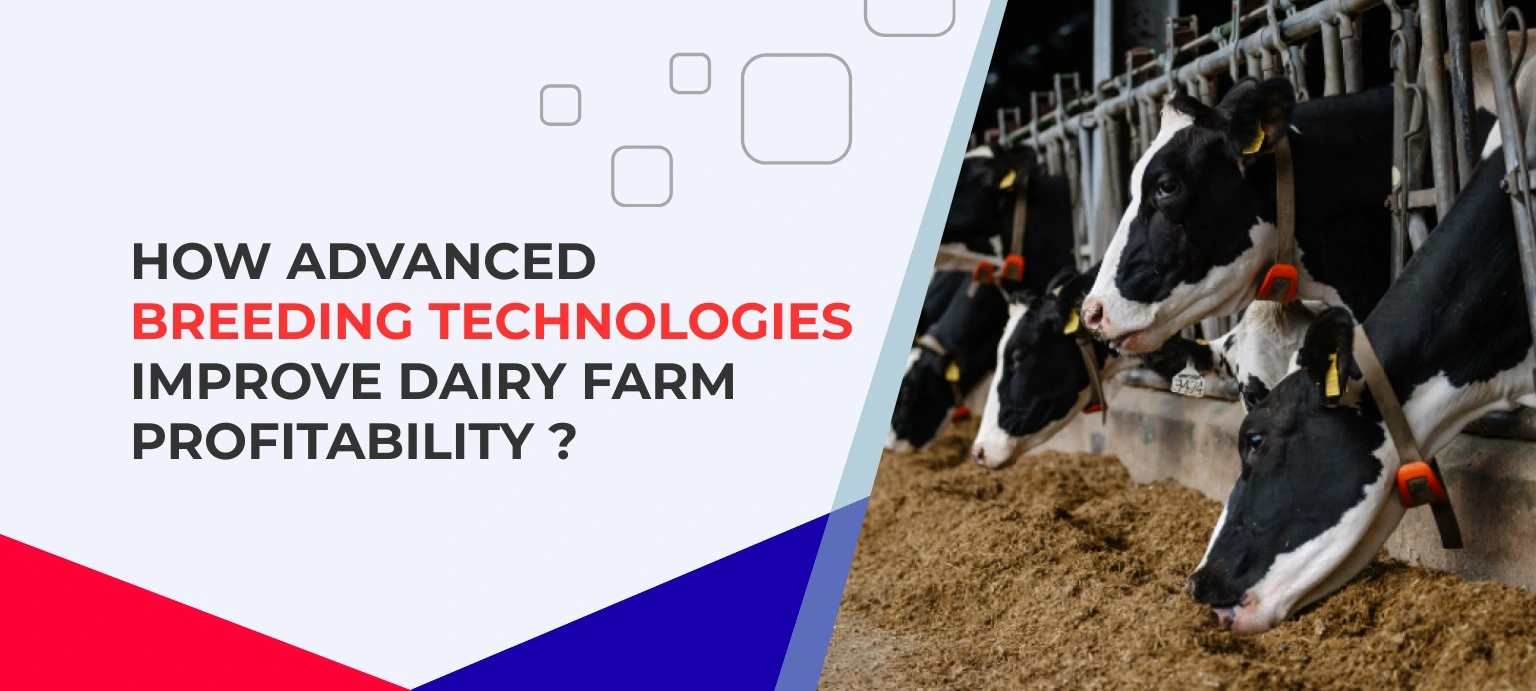
Dairy farming has evolved significantly with the introduction of modern breeding technologies. These scientific tools help farmers improve the genetic quality of their cattle and increase herd productivity in a more precise way. Instead of relying only on traditional breeding methods, farmers can now use technology to select animals with better milk yield, stronger health, and improved fertility. Understanding these innovations is important for farmers who want long-term sustainability and better dairy farm profitability.
The Importance of Breeding in Dairy Farming
Breeding is one of the most important factors influencing milk production and herd performance. When farmers select animals with strong genetic traits, the next generation of cattle is more likely to produce higher milk yields and maintain better health. Over time, careful breeding improves the overall quality of the herd. This steady genetic progress helps farmers maintain productive animals for longer periods, which supports stable production and better dairy farm profitability.
Artificial Insemination and Genetic Improvement
Artificial insemination has become a widely used breeding technique in dairy farming around the world. This method allows farmers to use semen from genetically superior bulls without the need to keep those bulls on their farms. As a result, even small dairy farms can access high-quality genetics. By using semen from proven bulls known for strong milk production traits, farmers can gradually improve the performance of their herds and produce calves with better genetic potential.
Genomic Testing for Early Selection
Genomic testing is another important advancement in dairy breeding. This technology studies the DNA of cattle to predict their future performance. Farmers can evaluate calves at a very early stage and identify animals that are likely to produce more milk or have stronger health traits. Early selection allows farmers to focus on raising the best animals in the herd. This approach saves time and resources while improving the genetic quality of future generations.
Embryo Transfer for Faster Herd Improvement
Embryo transfer technology allows farmers to multiply the genetics of their best cows more quickly. In this process, embryos from high-performing cows are transferred into other cows that carry the pregnancy. This allows several calves to be produced from one superior cow within a short period. By spreading valuable genetics faster, farmers can strengthen the overall herd more efficiently and support long-term improvements in productivity.
Improving Animal Health Through Genetics
Modern breeding technologies also focus on improving the health of dairy cattle. Scientists now identify genetic traits linked to disease resistance and stronger immunity. Selecting animals with these traits helps reduce the risk of common diseases in dairy herds. Healthier cows require fewer medical treatments and maintain consistent milk production over time. Good herd health plays an important role in maintaining productivity and reducing unexpected costs for dairy farmers.
Better Fertility and Reproductive Efficiency
Fertility is a key factor that affects the productivity of dairy farms. Cows that conceive regularly and maintain proper calving intervals contribute to stable milk production. Advanced breeding technologies help farmers select animals with better reproductive traits. Improved fertility reduces the time between lactation cycles and ensures that cows continue producing milk regularly. Efficient reproduction helps maintain herd stability and contributes to higher dairy farm profitability.
The Role of Data in Modern Breeding
Today’s breeding technologies rely heavily on data and scientific analysis. Farmers and breeding experts study information about milk yield, feed efficiency, fertility, and health traits. This data helps identify animals that perform best under different farm conditions. Using accurate records allows farmers to make informed breeding decisions and build stronger herds over time. Data-based breeding programs help ensure steady improvement in herd performance.
Future Technologies in Dairy Breeding
Research in dairy genetics continues to grow, and new technologies are being explored to improve cattle productivity. Scientists are studying advanced genetic tools that may help increase milk production and improve disease resistance. Although some of these technologies are still developing, they show strong potential to support dairy farmers in the future. As scientific knowledge expands, breeding strategies will become even more precise and efficient.
Building Sustainable Dairy Farming Systems
Advanced breeding technologies also support sustainable dairy farming. When cows produce more milk efficiently, farms use resources such as feed, water, and land more effectively. Genetic improvement can also help cows remain productive for longer periods, reducing the need for frequent herd replacement. Sustainable breeding practices help farmers maintain stable production while managing resources responsibly and supporting long-term dairy farm profitability.
To Sum Up
Breeding technologies have become an essential part of modern dairy farming. Tools such as artificial insemination, genomic testing, and embryo transfer allow farmers to improve herd genetics and increase productivity in a structured way. These technologies help farmers raise healthier animals, improve milk yield, and manage reproduction more efficiently. By adopting advanced breeding methods and making informed genetic choices, dairy farmers can strengthen herd performance and maintain consistent dairy farm profitability over time.
If you are a farmer looking to improve dairy farm profitability and searching for reliable scientific breeding solutions, Accuvance India is here to support you with advanced dairy genetics and modern reproductive technologies. We work closely with dairy farmers to help improve herd quality, increase milk production, and strengthen overall farm performance through scientifically proven breeding methods. Our focus is on helping farmers build healthier and more productive herds by using innovative genetic tools and expert knowledge in dairy breeding. By combining research, technology, and practical field experience, we aim to provide solutions that help farmers make better breeding decisions and improve long-term farm efficiency. With the right breeding strategy and genetic improvement programs, we strive to support dairy farmers in building sustainable operations and achieving consistent growth in their dairy farming business.


