

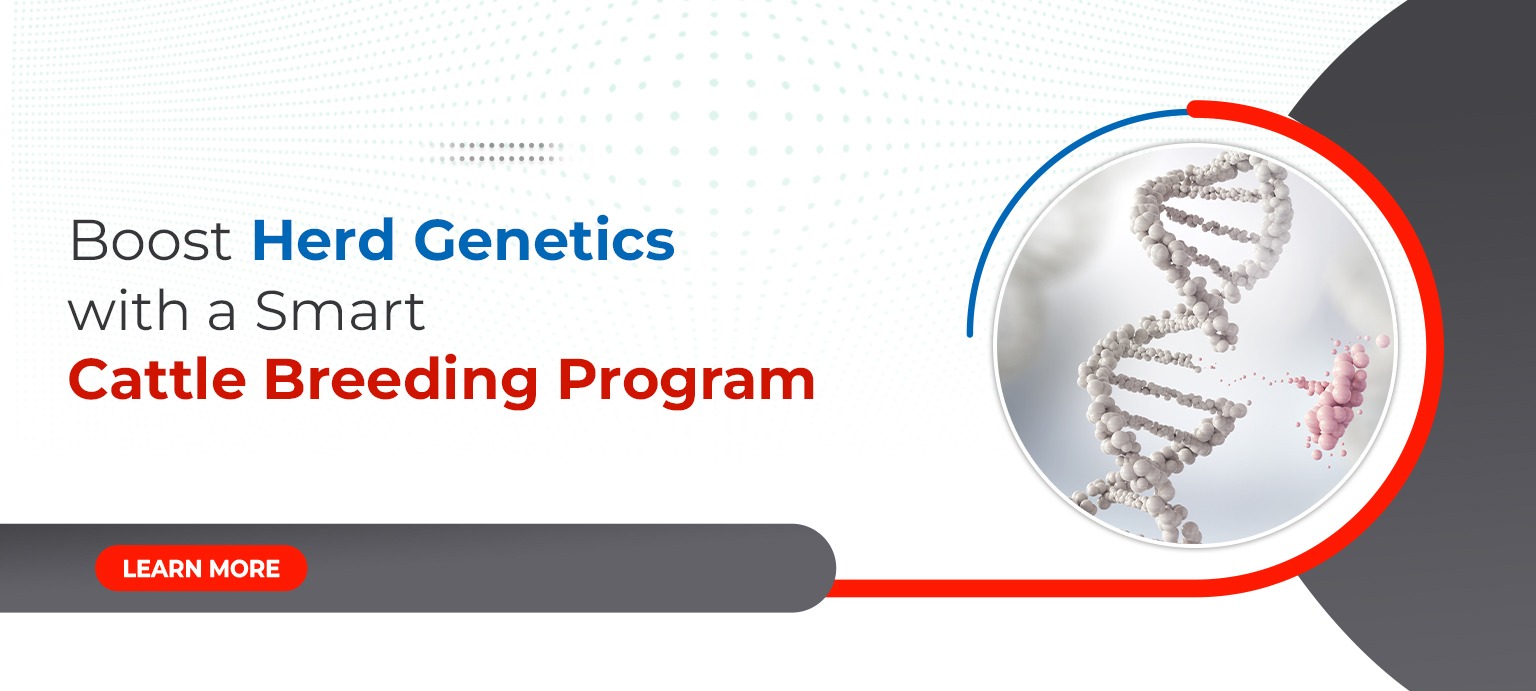
Improving your cattle’s genetic strength is one of the smartest ways to ensure long-term success for your dairy or livestock farm. When you focus on better genetics, you’re not just raising healthier animals—you’re also ensuring higher milk yield, improved fertility, disease resistance, and overall better productivity. A well-planned cattle breeding program plays a key role in making this possible.Whether you’re running a small family-owned farm or a large commercial operation, genetics matter. Let’s explore how you can boost your herd’s genetics using a smart approach that delivers real results.
Why Genetics Matter in Cattle Farming
Genetics form the foundation of everything your herd can achieve—from daily milk production to adaptability in changing climates. When cows inherit strong genetic traits, they tend to grow faster, stay healthier, and produce more. Better genetics also means fewer problems related to illness, reproduction, or stress. So, when farmers improve their herd genetically, they’re investing in long-term productivity.
Imagine having a herd that consistently delivers high milk output, breeds efficiently, and requires less veterinary care. That’s the power of smart genetics.
What is a Cattle Breeding Program?
A cattle breeding program is a step-by-step plan used by farmers and breeding experts to select the best animals for reproduction. The goal is to pass on the best traits—like high milk yield, good body structure, and disease resistance—to the next generation.
Instead of leaving reproduction to chance, farmers use science and planning to pair the right bulls and cows. Over time, this improves the overall performance and value of the entire herd.
Key Goals of a Smart Breeding Program
A successful cattle breeding program focuses on a few key areas:
1. Improved Milk Production
The main goal of any dairy farm is to increase milk production. A smart breeding plan helps by choosing bulls and cows that have a history of high milk yield. When these strong genes are passed on, the new calves grow up to be even better milk producers than their parents.
2. Fertility and Reproduction
Breeding cows that conceive easily and give birth without issues leads to a more efficient and stress-free farm. Good genetics improve fertility, helping cows stay on a regular breeding cycle. This means fewer missed breeding chances and more calves born on time, leading to a steady supply of future milk producers.
3. Disease Resistance
Healthy cows save both time and money. Some cows naturally have stronger immune systems. When these traits are passed down through a smart breeding program, the whole herd becomes more resistant to common illnesses. This means fewer health problems, lower treatment costs, and less worry for the farmer and the animals.
4. Longevity
Cows that stay healthy and productive for many years bring the best returns. Good breeding helps produce animals with strong legs, good body condition, and calm behaviour. These cows face fewer health issues, stay in the herd longer, and give you more milk over their lifetime, increasing your profits.
How to Start a Cattle Breeding Program
You don’t need to be a scientist to run a successful cattle breeding program. Here’s a simple step-by-step process to get started:
Step 1: Set Clear Goals
Every successful breeding plan starts with a goal. Decide what you want to improve in your herd—such as more milk, better fertility, or stronger health. Once your goals are clear, you can choose animals that already show these qualities and build your plan around those specific needs.
Step 2: Choose the Right Genetics
Picking the right bulls and cows is the heart of any good breeding plan. Use semen from bulls with strong traits and proven records. Also, make sure your female cows are healthy and productive. This careful selection gives your future calves the best chance to be strong and successful.
Step 3: Identify the Best Cows
Not all cows are the same. Some perform much better than others. Choose the cows in your herd that are healthy, produce more milk, and breed easily. These cows should be the ones you focus on for your breeding program. They will pass on their strong traits to the next generation.
Step 4: Use Artificial Insemination (AI)
Artificial Insemination is a safe and effective way to breed cows without keeping a bull on your farm. It allows you to use top-quality genetics from bulls across the world. AI also helps you plan breeding better, match cows to bulls with care, and improve results with lower risk.
Step 5: Record and Monitor Progress
Keeping records is very important. Write down which cows were bred, which bulls were used, and what the outcomes were. Over time, these records help you see what works best. You can then make better decisions, improve your herd faster, and fix problems before they become serious.
Benefits of Genetic Improvement
By implementing a strong cattle breeding program, farmers enjoy several advantages:
1. Increased Profitability
Genetically strong cows produce more milk, breed better, and stay healthier. This leads to higher income for the farmer. When your herd performs better, you save money on treatments and earn more from each cow. It’s a smart way to grow your dairy business steadily and securely over time.
2. Lower Veterinary Costs
When cows are healthier, they don’t need as many medicines or visits from the vet. A good breeding program reduces the chances of common health problems. This not only saves money but also ensures your animals stay happy and stress-free, leading to a more peaceful and productive farm environment.
3. Stronger and Smarter Offspring
When you choose parents with strong traits, their calves inherit those traits too. These calves grow faster, are stronger, and are easier to manage. Over time, your entire herd becomes more productive. Each new generation gets better, giving your farm a strong future with fewer challenges.
4. Easier Farm Management
Good genetics make life easier for farmers. Cows with better breeding are easier to handle, breed on time, and stay healthy. This means less stress, fewer surprises, and smoother daily work. You can plan better and spend more time on growth instead of solving daily problems.
5. Long-Term Success
A smart cattle breeding program gives you long-term benefits. It’s not just about quick results—it builds a better future for your farm. Year after year, your herd improves, helping you stay competitive, meet market demands, and succeed in today’s dairy industry with confidence and stability.
Final Thoughts
A smart cattle breeding program is more than just selecting bulls and breeding cows—it’s a long-term investment in the health, productivity, and sustainability of your farm. By using science, modern tools, and ethical practices, you can build a herd that is not only strong today but also even stronger for the future.
Whether you are just starting out or already have an established herd, now is the perfect time to focus on genetics. When done right, breeding smarter means farming smarter. Every calf born from a well-planned breeding decision brings your farm closer to higher productivity, lower health risks, and better overall performance.
If you are a dairy farm owner and want to boost the genetic potential of your herd, improve milk yield, and build a future-ready farm, and you’re looking for the right partner who understands your goals and challenges, then Accuvance India is here to support you.
At Accuvance India, we specialize in advanced genetic solutions and smart breeding strategies designed for Indian dairy farms. We provide high-quality bovine semen, expert guidance, and dependable support to help you create a healthy and high-performing herd. Our solutions are backed by research, experience, and a strong commitment to your success. We work closely with you to design a plan that fits your farm’s unique needs.
Join us in making dairy farming more efficient, sustainable, and rewarding. Let Accuvance India be your trusted partner in building a better tomorrow—one calf at a time.