

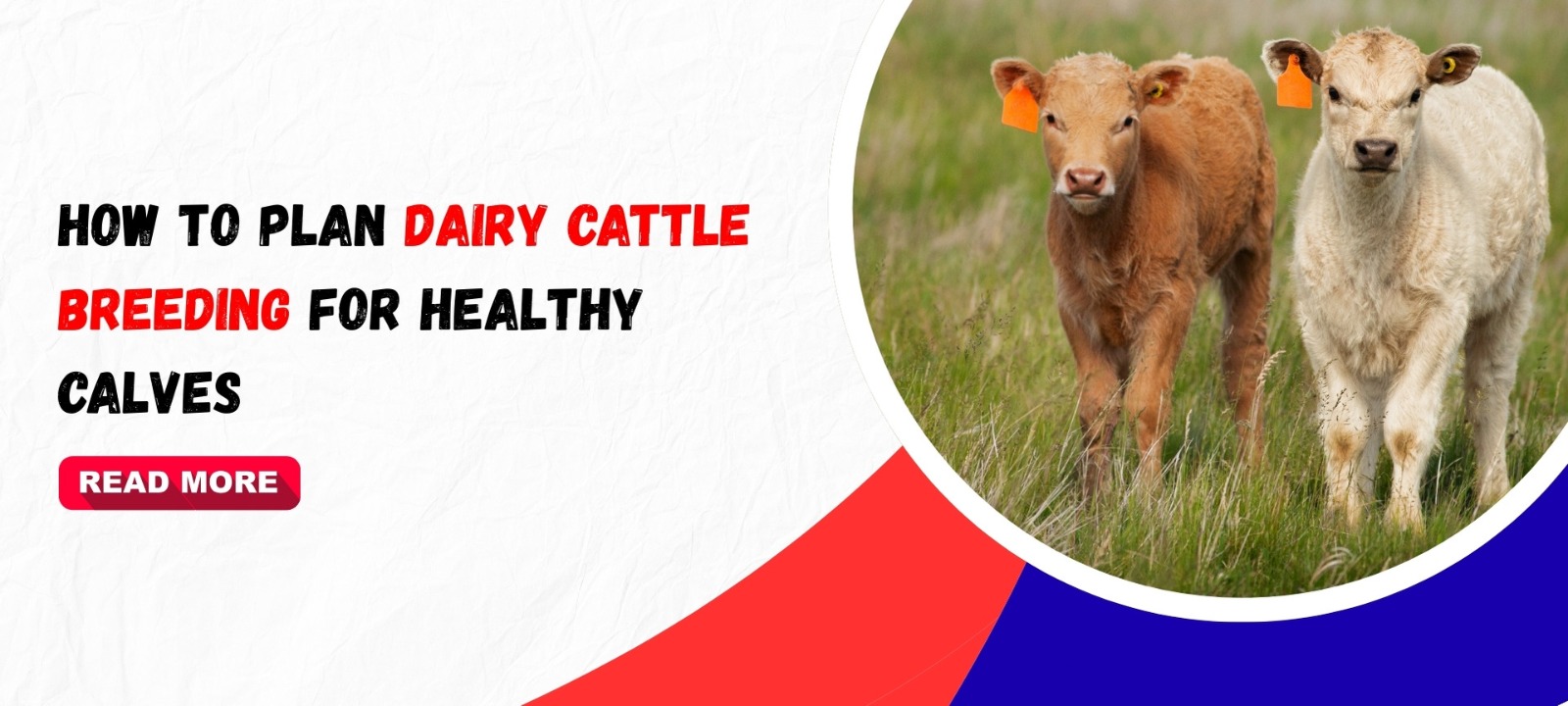
Planning the breeding of dairy cattle is a critical process that directly impacts the productivity, health and longevity of your herd. A well-structured breeding plan for dairy cattle ensures that calves are born healthy, with strong genetic traits that contribute to milk production, disease resistance and overall farm profitability. It involves careful selection of both male and female cattle, understanding reproductive cycles, monitoring nutrition and managing the environment to support successful conception and calf development. Ignoring any of these factors can result in poor reproductive performance, weak calves and long-term economic losses for the farm.
Understanding the Basics of Dairy Cattle Reproduction
The first step in creating a breeding plan for dairy cattle is understanding the reproductive physiology of cows and heifers. Female cattle or cows, have an estrous cycle that typically lasts 21 days, during which ovulation occurs. Recognizing signs of estrus, such as restlessness, increased vocalization and mounting behaviour, is essential for timing insemination. Male cattle or bulls, should also be evaluated for fertility and genetic quality. Artificial insemination (AI) is widely used in modern dairy farming because it allows for the selection of superior genetics while reducing the risks associated with maintaining bulls on the farm. Knowledge of these fundamentals lays the foundation for planning successful breeding schedules.
Selecting the Right Animals for Breeding
Selecting the right animals is the cornerstone of a successful breeding plan for dairy cattle. Cows should be chosen based on traits such as milk yield, udder health, body conformation and resistance to common diseases. Bulls or semen donors must be evaluated for fertility, genetic traits and lineage. It is also important to avoid inbreeding, as this can reduce calf viability and long-term herd productivity. By carefully selecting both the sire and dam, farmers can improve the likelihood of producing calves that are strong, healthy and productive throughout their lives. Genetics play a critical role in shaping the future of the herd and thoughtful selection ensures long-term success.
Timing and Reproductive Management
Accurate timing is crucial in dairy cattle breeding. Cows typically become sexually mature around 12 to 15 months of age, but the ideal breeding age depends on the cow’s weight, body condition and overall health. Monitoring the estrous cycle and detecting heat are key to determining the best time for insemination. Farmers often use heat detection aids, such as activity monitors, tail chalking or pedometers, to improve accuracy. Additionally, maintaining records of previous breeding attempts, calving history and reproductive performance helps in planning future breeding strategies. Proper timing and management ensure a higher conception rate and reduce the interval between calvings, which is vital for sustained milk production.
Nutrition and Health Considerations
A breeding plan for dairy cattle cannot succeed without proper nutrition and health management. Adequate feeding ensures cows are in optimal body condition, which directly affects fertility and calf development. Balanced diets rich in protein, energy, vitamins and minerals are essential, especially for cows approaching breeding age or in early lactation. Regular veterinary check-ups, vaccination programs and parasite control prevent reproductive disorders and calf morbidity. Stress reduction is equally important; cows under stress from overcrowding, poor handling or extreme weather are less likely to conceive successfully. By prioritizing nutrition and health, farmers can maximize reproductive efficiency and produce strong, healthy calves.
Implementing Artificial Insemination and Natural Breeding
Both artificial insemination (AI) and natural breeding have roles in a breeding plan for dairy cattle. AI allows farmers to access superior genetics, control breeding schedules and reduce disease transmission. However, natural breeding with carefully selected bulls may still be beneficial in smaller herds or situations where AI resources are limited. Farmers should weigh the advantages and limitations of each method, considering herd size, budget and desired genetic outcomes. Combining proper animal selection with the right breeding method ensures that each calf inherits the best traits, grows healthily and contributes to the overall productivity of the dairy operation.
Record Keeping and Monitoring
Maintaining detailed records is essential to evaluate the effectiveness of a breeding plan for dairy cattle. Records should include dates of insemination, estrous cycles, calving events, calf birth weights and any health issues observed. Tracking reproductive performance over time helps identify cows with fertility problems and informs decisions for future breeding strategies. Monitoring also allows for the assessment of genetic progress within the herd, ensuring that desired traits are being passed on to the next generation. Effective record keeping creates transparency, improves management decisions and ultimately leads to a healthier, more productive herd.
Preparing for Calving and Calf Care
The final stage of a successful breeding plan involves preparation for calving and immediate calf care. Proper housing, clean bedding and a stress-free environment are essential to prevent complications during birth. Colostrum feeding within the first few hours of life provides the calf with essential antibodies and nutrients, strengthening immunity and reducing the risk of disease. Regular monitoring of both cow and calf health after birth ensures early detection of problems and timely intervention. By combining careful breeding planning with attentive care during calving, farmers can increase the survival rate and overall health of calves.
Final Thoughts
Creating a comprehensive breeding plan for dairy cattle requires attention to genetics, reproductive timing, nutrition, health and careful monitoring. By selecting superior animals, implementing effective breeding methods and maintaining meticulous records, farmers can ensure the birth of healthy, productive calves that contribute to the long-term success of the herd. Planning for every stage—from conception to calf care—reduces risks, enhances productivity and strengthens the genetic foundation of the farm. A well-executed breeding plan is not just a management task; it is an investment in the future health and prosperity of the dairy operation.
If you are a dairy owner looking to achieve sustainable growth by improving herd fertility, calf health, and overall productivity, Accuvance India is here to support you with reliable solutions. Our focus is on delivering high-quality bovine genetics, trusted semen products, and expert guidance to help you plan every breeding cycle with confidence. We understand the challenges dairy farmers face, whether it is maintaining milk yield, ensuring calf survival, or managing herd health, and we work closely with you to design practical strategies tailored to your farm’s needs. By choosing us, you gain a dedicated partner who values long-term results and prioritizes the success of your herd. At Accuvance India, our mission is to strengthen dairy owners with science-driven breeding practices and advanced resources that ensure stronger, healthier, and more productive cattle generations.